10 Smart Travel Planning Tips to Save Time and Money in 2026
Planning a trip can be exciting, but poor preparation can also lead to unnecessary expenses, wasted time, and stressful situations. A little planning before you leave can make your trip more comfortable and help you get better value from your budget.
Whether you’re planning a weekend getaway, a family vacation, or a longer international trip, these practical travel planning tips can help you organize your journey more effectively in 2026.
Table of Contents
- Choose Your Destination Carefully
- Set a Realistic Travel Budget
- Compare Transportation Options
- Book Accommodation Strategically
- Create a Flexible Itinerary
- Research Local Transportation
- Check Important Travel Documents
- Pack Only What You Need
- Plan for Unexpected Expenses
- Keep Digital Copies of Important Information
1. Choose Your Destination Carefully
Your destination has a major effect on the overall cost and experience of your trip.
Before booking anything, research the typical accommodation prices, transportation costs, food expenses, weather, local attractions, and travel requirements.
Sometimes choosing a nearby destination or traveling during a less busy period can significantly reduce the total cost.
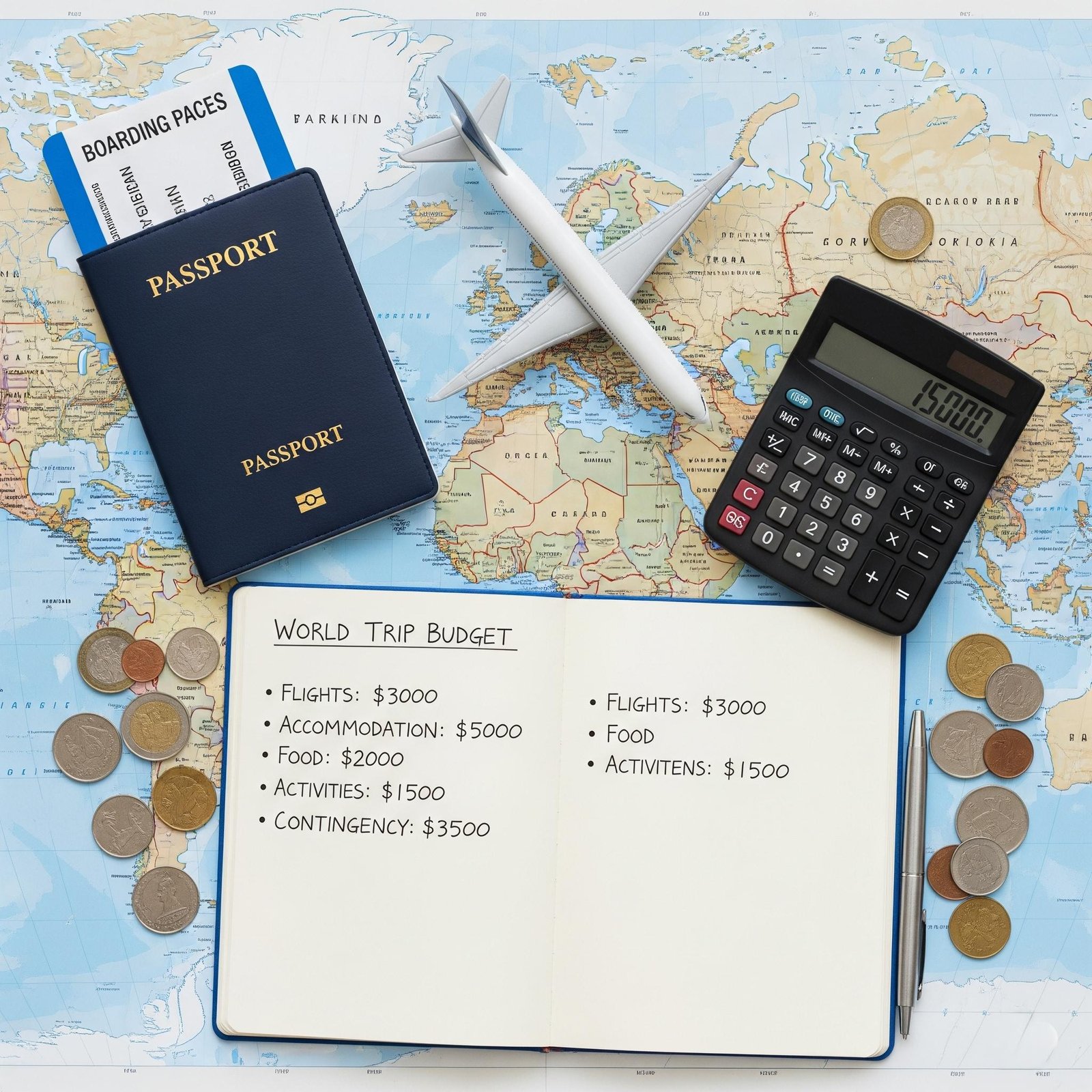
2. Set a Realistic Travel Budget
Creating a travel budget before booking your trip can help you avoid unexpected expenses.
Consider these major costs:
- Transportation
- Accommodation
- Food
- Activities
- Local transportation
- Travel insurance
- Emergency expenses
Leave some extra money in your budget for unexpected costs rather than planning every dollar or rupee.
3. Compare Transportation Options
Don’t automatically choose the first transportation option you find.
Compare flights, trains, buses, rental cars, and other available options based on both price and convenience.
A slightly cheaper option may not always be better if it requires significantly more time or additional transportation costs.
4. Book Accommodation Strategically
Accommodation can be one of the biggest parts of a travel budget.
Compare hotels, guesthouses, vacation rentals, and other suitable options. Look at the total price rather than focusing only on the advertised nightly rate.
Also check the location. A cheaper hotel far from the places you want to visit may cost more once transportation is included.
5. Create a Flexible Itinerary
A good itinerary should give your trip structure without making every minute of the day fixed.
Choose the most important attractions and activities first, then leave some free time for exploring, relaxing, or dealing with unexpected changes.
Flexibility can also help you take advantage of better local opportunities once you arrive.
6. Research Local Transportation
Understanding how you will get around before arriving can save both time and money.
Research public transportation, walking routes, taxis, ride-sharing services, airport transfers, and local passes where available.
Knowing your options in advance can help you avoid expensive last-minute transportation decisions.
7. Check Important Travel Documents
Before leaving, check that your passport, visas, identification, tickets, reservations, and other required documents are valid.
International travelers should also check the entry requirements for their destination before departure because requirements can change.
Keep important documents accessible and make sure you have a backup of essential information.
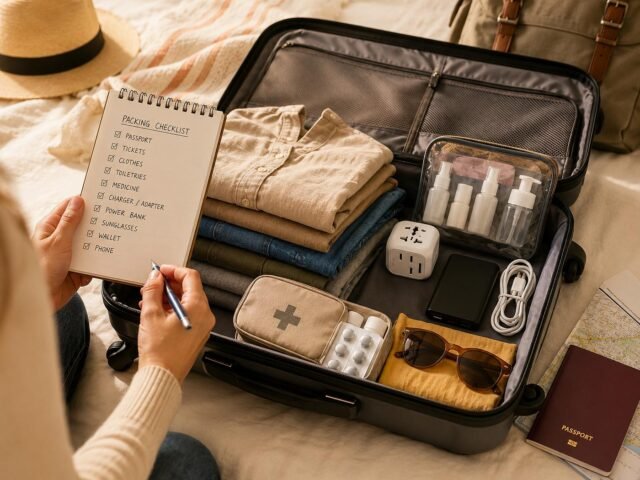
8. Pack Only What You Need
Overpacking can make traveling more difficult and may create additional baggage costs.
Check the weather forecast and plan your clothing around the activities you expect to do.
Choose versatile clothing and avoid packing items that you probably won’t use.
9. Plan for Unexpected Expenses
Even the best travel plans can change.
A delayed flight, unexpected transportation cost, medical issue, or change in accommodation can increase your expenses.
Keeping an emergency travel fund can give you greater flexibility if something unexpected happens.
10. Keep Digital Copies of Important Information
Keep digital copies of important documents and reservations in a secure location.
Useful information may include:
- Passport information
- Travel insurance details
- Hotel reservations
- Transportation bookings
- Emergency contact information
- Important addresses
Having this information available can make it easier to deal with unexpected situations while traveling.
How Early Should You Start Planning a Trip?
The ideal planning time depends on your destination, travel dates, transportation, and accommodation needs.
For popular destinations and busy travel periods, starting earlier can give you more choices. For flexible trips, you may have more opportunities to compare prices and adjust your plans.
How to Save Money While Traveling
Saving money doesn’t necessarily mean making your trip less enjoyable.
- Compare transportation prices before booking.
- Consider accommodation outside the most expensive tourist areas.
- Use public transportation when practical.
- Plan some meals around affordable local options.
- Look for free or low-cost attractions.
- Avoid unnecessary last-minute purchases.
Common Travel Planning Mistakes
- Booking everything without comparing prices
- Creating an itinerary that is too crowded
- Ignoring local transportation costs
- Forgetting important documents
- Not keeping emergency funds available
- Overpacking
- Ignoring current entry requirements
Frequently Asked Questions
What is the best way to plan a trip?
Start with your destination and budget, then organize transportation, accommodation, activities, and local transportation. Keep your itinerary flexible enough to handle changes.
How can I make a trip cheaper?
Compare transportation and accommodation options, consider flexible travel dates, use affordable local transportation, and plan your major expenses before departure.
Should I plan every activity before traveling?
No. Planning your most important activities in advance can be useful, but leaving some free time gives you flexibility to explore and adjust your plans.
Related Articles
-
Benefits of Traveling and Exploring New Places
-
10 Simple Ways to Reduce Screen Time and Improve Your Daily Life
-
10 Effective Ways to Learn New Skills Faster in 2026
Final Thoughts
Good travel planning doesn’t mean creating a complicated schedule. It means understanding your budget, researching your options, preparing important documents, and leaving enough flexibility to enjoy the journey.
Start planning early, compare your options, and keep an emergency budget available. These simple steps can help you spend less time dealing with problems and more time enjoying your trip.